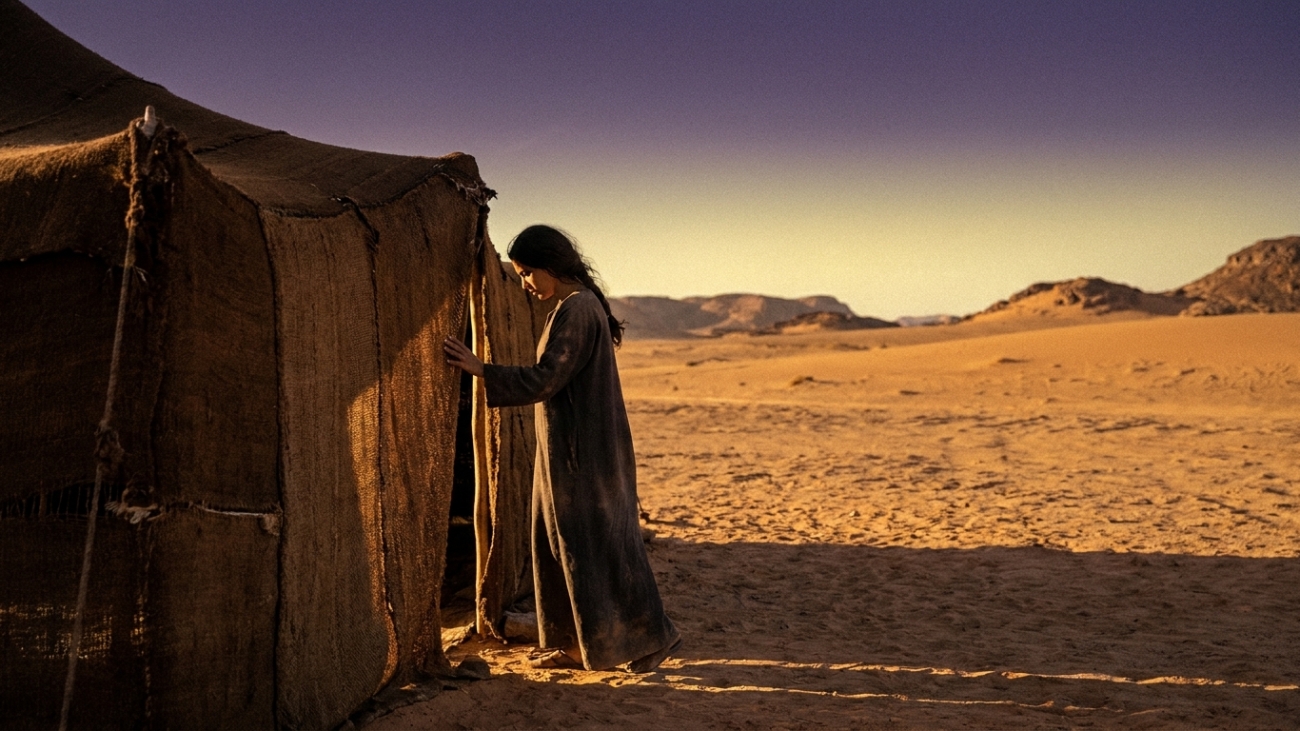
Feature image (1)

Why Your Declarations Aren’t Reaching the Deep Place – and the One Thing That Actually Does

You already know the feeling.

You stand in front of the mirror and say the declaration. You write it in your journal. You repeat it in the car on the way to work. You post it. You pray it. You say it again before you sleep.

And for a while, it works. Something lifts. Hope returns. The word feels true when you say it, and the saying of it seems to reach somewhere real.

Then comes the morning when you notice your own voice has changed. You are still saying the same words in the same order with the same theology behind them. But something in the way you say them has shifted. There is a flatness now. A performance quality. You are saying true things in a voice that no longer quite believes them at depth.

And the guilt that follows is almost worse than the flatness itself. Because if declarations are supposed to build faith, and your declarations have stopped reaching you, the obvious conclusion is that something is wrong with you. That your faith is deficient. That a more spiritually disciplined version of you would not be having this problem.

This post is written to tell you clearly: that conclusion is wrong.

What is happening is not a failure of your faith. It is a mismatch of method. And once you understand exactly what that mismatch is, you will never again mistake exhaustion for spiritual inadequacy.

The Method Is Not Wrong. It Is Incomplete.

Before anything else, let’s be precise about what declarations actually are and what they are designed to do. Because the problem is not that declarations are ineffective. The problem is that they are being asked to do something they were never designed for.

Declarations — spoken confessions of biblical truth, intentional alignment of your words with the promises of God, are a genuinely biblical practice. Romans 10:10 is clear: with the mouth one confesses and is saved. Proverbs 18:21 acknowledges that death and life are in the power of the tongue. Joshua 1:8 instructs that the Book of the Law should not depart from your mouth.

These are not minor texts. The practice of spoken confession is woven through both Testaments.

But here is the precision that most teaching on declarations skips: every one of those texts is describing the outward expression of an inward reality, not the mechanism by which the inward reality is generated.

――  “Declarations are designed to express faith that already exists at depth. They were never designed to create it from scratch, or to replace it when the supply runs out.”  ――

Romans 10:10 says with the heart one believes, and with the mouth one confesses. The mouth comes second. The heart comes first. The confession is the outward expression of the inward conviction, not the tool by which the conviction is installed.

When declarations are used as the primary mechanism for generating deep faith, rather than the expression of deep faith that already exists, they are being asked to perform a function they were not designed to perform. And eventually, the gap between what the mouth says and what the heart actually holds becomes too wide for even the most consistent declaration practice to bridge.

This is not a character flaw. It is what happens when a genuinely good tool is applied to the wrong layer of the problem.

The Three Layers of Your Inner World

To understand why declarations plateau, you need a map of the terrain they are operating on. Most people move through their entire spiritual lives without anyone giving them this map clearly. Once you have it, everything makes sense, the plateau, the exhaustion, and what actually reaches the layer where the real work needs to happen.

Your inner world operates in three distinct layers.

Layer One  The Surface Thought

The intentional, managed, conscious layer. This is the declaration you say out loud. The verse you post. The confession you make in prayer. The statement you make when someone asks how your faith is doing. Layer One is real and valuable. But it is also the layer you have the most control over, which means it is the layer you can perform independently of what is happening in the layers beneath it. A person can maintain an impeccable Layer One practice while their Layer Three is running a completely contradictory governing conclusion.

Layer Two  The Habitual Thought

The automatic layer. This is what your mind does when you stop managing it. The thought loop that runs at 3am when you wake and cannot get back to sleep. The inner monologue during long drives with the radio off. What surfaces in the shower before you have had time to compose yourself into the version of you that makes declarations. Most people live far more of their lives in Layer Two than they realize or are willing to admit. A consistent declaration practice can reach Layer Two, with sustained effort, the habitual thought can be retrained. But Layer Two is not the deepest layer.

Layer Three  The Heart Thought

The governing layer. The deep, settled, identity-level conviction that Proverbs 23:7 is pointing to when it says: as a man thinks in his heart, so is he. Not as he speaks. Not as he declares. In his heart. This is the foundation from which everything else actually operates, the layer that determines not what you say you believe but what you actually are. The Genesis 16 conclusion, ‘the LORD has prevented me’, lives at Layer Three. And Layer Three is not changed by declarations. It is changed by encounter.

Declarations operate reliably at Layer One. With sustained consistency, they can begin to influence Layer Two. But they do not reach Layer Three. Not because they are spiritually deficient. Because Layer Three is not accessible through managed surface activity. It is the layer that responds to encounter, to the direct, personal, firsthand reception of a word that arrives from outside your own thought system and lands at a depth your own effort cannot reach.

This is the mismatch. Declarations are a Layer One tool being applied to a Layer Three problem. And the exhaustion you feel after years of sincere effort with diminishing returns is not the exhaustion of a person who tried the wrong thing. It is the exhaustion of a person who tried the right thing in the wrong layer.

What Proverbs 23:7 Is Actually Saying

“For as he thinks in his heart, so is he.”

— Proverbs 23:7

This verse is quoted frequently in faith circles, usually in connection with the importance of positive thinking and spoken confession. And the connection is legitimate: what you think at depth does determine what you become.

But the precision of the verse is worth examining more carefully, because it carries a specific claim that most surface-level applications miss.

The Hebrew word translated “thinks” here is shaʼar, which means to reckon, to calculate, to govern by an inner estimation. It is the word of an accountant arriving at a final figure, not a person having a passing feeling. And the location is the heart, lev in Hebrew, which in the biblical worldview was not the seat of emotion but the seat of the will, the intellect, and the governing orientation of the entire person.

So the verse is saying: as a person governs themselves from their deepest settled estimation, so they actually are. Not what they say. Not what they perform. What they hold at the governing level of their inner world.

――  “The deep place is not your mouth. It is not your journalled declaration or your posted confession. It is the layer that runs when no one is watching, the settled estimation your inner world actually operates from.”  ――

This is why two people can use the exact same declarations, with the exact same sincerity and consistency, and have completely different outcomes. Not because one has more faith than the other in the surface sense. But because what is happening at Layer Three is different. One person is declaring from a deep, encounter-produced conviction. The other is declaring in the absence of one, hoping the declaration will produce what only encounter can.

The declaration does not reach the deep place. The encounter does. And the encounter is what the declaration was always meant to express.

What Romans 10:17 Is Actually Saying

“So faith comes from hearing, and hearing through the word of Christ.”

— Romans 10:17

This is one of the most quoted verses in the theology of declaration. The reasoning goes: if faith comes by hearing, then speak the word out loud so you can hear it. Declare it to yourself. The hearing produces the faith.

And again, there is genuine truth in this application. Hearing truth does build faith. Spoken confession does have a place in the spiritual life. This is not a wrong reading.

But the verse is doing something more precise than a general endorsement of declaration practice, and that precision changes everything.

The Greek word translated “hearing” is akoē — which carries the sense of active, personal reception of a specific message. It is not passive exposure to truth that exists somewhere. It is the direct reception of a word addressed to you. And the source of that word, the verse specifies, is the word of Christ, the directly transmitted, personally conveyed, living word of God rather than a secondhand report about it.

The faith that Romans 10:17 is describing comes from a direct, personal, firsthand reception of the living word. Not from hearing about someone else’s reception. Not from repeated exposure to a declaration that originates in your own mind. From hearing, your own, directly received, personally addressed.

This is the same distinction Hebrews 11:11 makes when it says Sarah “herself” received power and considered Him faithful. Not through her husband’s hearing. Her own. The akoē of Romans 10:17 in the life of a real woman who had been waiting long enough that the secondhand supply had run completely out.

Declaration says the word.

Encounter receives it.

Declaration operates at Layer One.

Encounter reaches Layer Three.

Both are biblical. Only one changes what you actually are.

Five Diagnoses for the Plateau

If your declarations have stopped reaching you, one or more of the following is almost certainly true. These are not condemnations. They are precise diagnoses, and a precise diagnosis is always more useful than a vague guilt.

Diagnosis One: You are saying it without a Layer Three foundation to say it from.

The declaration is real. The theology is correct. But there is no firsthand encounter underneath it providing the foundation from which it is being expressed. You are declaring in the hope that the saying of it will produce the foundation. But declarations were designed to express an existing foundation, not to substitute for one. The treatment is not a better declaration. It is the encounter that produces the foundation the declaration was always meant to rest on.

Diagnosis Two: The gap between your declaration and your Layer Three has become too wide to bridge.

At Layer Three, the governing conclusion has already arrived: the LORD has prevented me. Or some version of it, this is not for me, this is not happening, this promise is not mine. And the declaration, however sincere and consistent, is operating at such a distance from that conclusion that it cannot reach it. The gap itself has become the problem. And no amount of effort applied to Layer One is going to close a Layer Three gap.

Diagnosis Three: You are running on secondhand faith that has reached its ceiling.

The conviction underneath your declarations is borrowed, sourced in someone else’s encounter, sustained by community energy, kept alive by testimony and corporate worship. All of those things are genuine and valuable. But secondhand faith has a ceiling, and the ceiling is lower in prolonged waiting seasons than in easier ones. You have reached the ceiling. The treatment is not more of the same borrowed supply. It is the firsthand reception that replaces borrowed supply with something that is genuinely yours.

Diagnosis Four: The discipline has become the substitute for the relationship.

This is the most subtle diagnosis. The declaration practice, the fasting, the journaling, the consistency, all of these have become so central to your spiritual identity that they have quietly taken the place of the relational encounter they were originally designed to support. You are doing the practices in the hope that the practices themselves will produce what they were always meant to accompany. The treatment is not abandoning the practices. It is reorienting them from being the thing toward being the posture that positions you for the thing.

Diagnosis Five: You are performing faith rather than positioning for encounter.

There is a specific kind of spiritual effort that looks like faith from the outside but is actually the management of doubt from the inside. You are saying the declaration loudly enough and consistently enough that the doubt does not get too much airtime. And the effort required to maintain that management level is precisely what is exhausting you. The treatment is not a stronger performance. It is the tent door posture, proximity, stillness, honesty, that stops managing the doubt and starts positioning you near the encounter that replaces the conclusion underneath it.

What Actually Reaches the Deep Place

This is the question the entire post has been building toward, and it deserves a precise answer rather than a vague spiritual encouragement.

What reaches Layer Three is encounter. Not a category of experience that bypasses Scripture or discipline or the practices of the faith. A specific kind of reception, the akoē of Romans 10:17, the ‘herself’ of Hebrews 11:11, the Genesis 18 moment when a word arrives that is so personal, so specific, so directly addressed to your situation that it strikes the governing layer of your inner world and disrupts the conclusion that has been living there.

This is not mystical in the sense of being inaccessible or reserved for a special category of believer. Sarah was standing at a tent door doing nothing extraordinary. Hannah was weeping in a temple. Joseph was sitting in a prison cell. Elijah was hiding under a tree, exhausted and asking to die. The encounter found them not in their impressive moments but in their ordinary and sometimes desperate ones.

What they shared was not spiritual performance. It was proximity and honesty. They were near enough to the presence of God, however reluctantly, however exhaustedly, that when the word came, they were positioned to receive it.

The Shift in Posture

The shift from declaration to encounter is not a shift from effort to passivity. It is a shift in the kind of effort, from managing the surface to positioning the self.

Positioning for encounter looks like this:

Proximity — staying near even when it feels one-sided

Not performing nearness. Simply staying in it. Prayer that brings the honest inner world rather than the composed version of it.

Stillness — creating the conditions in which a word can be heard

The encounter almost never competes with noise. It arrives in the quiet that follows. Building deliberate stillness into each day is not passive. It is the most active thing you can do toward Layer Three.

Honesty — naming the Layer Three conclusion without shame

The Genesis 16 conclusion forms in the dark. Naming it honestly, to God, in prayer, in writing, brings it into the light where an encounter can reach it. You cannot position for an encounter that will replace a conclusion you are not willing to acknowledge.

Receiving — not immediately explaining away what arrives

When something lands with the unmistakable weight of personal address, the first instinct of a Layer Three that has been managing disappointment is to explain it down. The posture of receiving is simply choosing, in that moment, to let it land before reaching for the explanation.

These postures do not guarantee a timeline. They do not produce encounter on demand. What they do is place you consistently in the vicinity of the tent door where the encounter arrives, and keeps you there long enough that when the word comes, personally and specifically addressed, you are positioned to receive it rather than too far away or too noisy to hear it.

A Word About Discipline

This post is not an argument against discipline. Let that be clear before we reach the close.

Prayer, fasting, declaration, Scripture reading, worship, journalling, all of these are genuine, valuable, biblically rooted practices. The problem being addressed here is not that Christians do them. It is that Christians are sometimes taught to expect from them something they were never designed to deliver: the Layer Three transformation that only firsthand encounter produces.

Discipline is the posture that keeps you near. Encounter is the word that arrives at depth. And both are necessary, but in the right relationship to each other.

When discipline is oriented toward positioning for encounter rather than substituting for it, it becomes the most powerful thing a waiting believer can do. Not because the discipline itself reaches Layer Three — it doesn’t — but because the consistency of the posture keeps you in the proximity where the encounter finds you.

Sarah stayed near the tent. That proximity, not any particular spiritual performance, is what put her within earshot of the word that changed everything.

――  “Discipline keeps you near the tent. Encounter is what happens when the word arrives at the door.”  ――

Frequently Asked Questions

Are declarations and confessions biblically wrong?

No. Declarations and spoken confessions are genuinely biblical practices with solid scriptural grounding. The issue addressed in this post is not whether to use them but what to expect from them. They are Layer One tools that express and reinforce existing faith. They are not Layer Three tools that generate faith from nothing or replace the governing conviction of the heart. Using them with that understanding is not only appropriate but valuable. Using them as a substitute for the firsthand encounter they were designed to accompany is where the exhaustion comes from.

What is the difference between spiritual disciplines and positioning for encounter?

Spiritual disciplines — prayer, fasting, Scripture reading, worship, silence — are practices that keep you oriented toward God and near to His presence. Positioning for encounter is a specific orientation of those disciplines toward the goal of firsthand reception rather than performance or management. The same practice of prayer can be a performance of faith (managing doubt through consistent declaration) or a positioning for encounter (bringing the honest inner world to God and staying near enough to hear). The difference is not in the external practice. It is in the internal orientation toward what the practice is for.

If declarations don’t reach Layer Three, why does the Bible tell us to confess with our mouths?

Romans 10:10 says with the heart one believes and with the mouth one confesses. The order is significant: heart first, mouth second. The confession is the expression of the heart-level conviction, not the mechanism by which it is produced. Confessing with the mouth what you genuinely believe in the heart is a powerful practice that reinforces and externalizes an existing conviction. Confessing with the mouth in the hope that the confession will produce a conviction that does not yet exist at Layer Three is a different thing entirely, and it is this second use that eventually produces the hollow, performative quality that the post is describing.

How long does it take to have a firsthand encounter with God?

The biblical record does not give a formula or a timeline. What it consistently shows is that encounter arrives not according to a schedule but in response to proximity and honesty. Joseph’s encounter arrived in year thirteen of a prolonged silence. Hannah’s arrived after years of unanswered prayer and one honest, desperate, unpolished moment in the temple. Sarah’s arrived at an ordinary afternoon at a tent door with no advance preparation. The consistent pattern is not duration but posture, staying near, staying honest, staying in the proximity where the encounter can arrive when it comes.

What is the connection between this and The Sarah Shift framework?

The Sarah Shift framework is built on exactly this distinction: the Genesis 16 mentality (the Layer Three governing conclusion that God has prevented me) is not resolved by better declarations or more consistent discipline. It is resolved by the Genesis 18 encounter, the personal, specific, directly-addressed word that reaches Layer Three and replaces the governing conclusion at its root. The entire framework is structured around understanding the three layers, diagnosing which layer the problem lives in, and positioning for the encounter that reaches the layer declarations cannot.

The Framework Built to Walk You There

If this post named the exhaustion you have been carrying, the flatness in your declarations, the performance quality that has crept into your faith practices, the quiet suspicion that something in your method is wrong even though everything you have been told says it should be working, there is a complete framework built to take you from the diagnosis to the encounter.

The Sarah Shift — The 6-Part Ebook

A six-part journey through the Genesis 16 mentality, the three layers of thought, the tent door encounter, and the Hebrews 11:11 governing conviction that replaces everything.

Instant PDF download. Deep, honest, and built for the person who has tried everything else.

thesarahshift.com/ebook

The Sarah Shift — The 6-Week Course

The complete structured journey, day by day, week by week, from naming your Layer Three conclusion to positioning for the encounter that replaces it.

For the believer ready to stop managing the surface and start positioning for the deep place.

thesarahshift.com/course

The Sarah Shift Podcast Episode Two, Why Declarations Have a Ceiling, goes deep into the three-layer framework in audio form. Available on Apple Podcasts and Spotify.

→ Search: The Sarah Shift Podcast

A Final Word

The flatness in your declarations is not evidence that you have failed. It is evidence that you have reached the ceiling of a Layer One tool, and that something deeper is now needed. That is not a regression. It is a diagnosis. And a precise diagnosis is always the beginning of the right treatment.

The treatment is not more effort in the same direction. It is a shift in posture, from managing the surface to positioning the self. From declaring loudly to staying near honestly. From performing faith to standing at the tent door in your actual condition, available to receive the word that arrives at a depth no declaration ever reached.

Sarah’s Layer Three governing conclusion was “the LORD has prevented me.” And it was not replaced by a better declaration. It was struck, disrupted, and replaced by a word so personal and so specific that the only honest response she had was a laugh she could not control.

That laugh was the sound of Layer Three changing.

Yours is coming too.

The deep place is not reached by louder declarations.

It is reached by the word that arrives

when you are near enough to hear it.

Stay near the tent door.

The tent door is open.

thesarahshift.com

Untitled design (7)

When God Goes Silent: What the Bible Actually Says About the Waiting Season….

Nobody Warned You About

Nobody tells you about this part.

They tell you about faith. About prayer. About declaring the promises and standing on the Word and trusting the process. They give you the scriptures about God’s faithfulness and His timing and the good plans He has for your future.

But nobody sits you down and explains what actually happens inside a person when those prayers keep going up and nothing comes back down. When the declarations are still true but start to feel hollow. When the worship is still genuine but the silence on the other side of it is so loud it has started to feel like an answer in itself.

Nobody warns you about the quiet conclusion that forms in the gap.

This post is for the believer who is living in that gap right now. Not the early days of it, when hope is still easy and the waiting feels like a season with a foreseeable end. The deeper part. The part where you have been faithful for long enough that faith itself is starting to feel like a performance you are no longer sure you believe.

If that is where you are, keep reading. Because the Bible has far more honest things to say about divine silence than most teaching lets on.

First: The Silence Is Not What You Think It Is

The most common assumption people make about divine silence is that it means one of three things: God is absent, God is withholding, or God is displeased.

These are the three explanations the waiting mind reaches for. And they are all, in their own way, reasonable conclusions to draw from a prolonged period of unanswered prayer. They are also, in every case, incomplete.

The Bible presents a fourth option that most believers either don’t know or can’t access emotionally in the middle of the wait: God is silent because something is being formed that cannot be formed in noise.

――  “Silence in Scripture is not the absence of God. It is often the atmosphere in which He does His deepest work.”  ――

Consider the moments in Scripture where the most significant transformations happen. Jacob wrestles with God through the night — in silence, alone, separated from his household. Elijah receives his encounter with God not in the wind or the earthquake or the fire, but in the still, small voice that comes after all of them. Jesus Himself is led into the wilderness for forty days of silence before His public ministry begins.

Silence in the biblical narrative is not punishment. It is preparation. It is not God looking away. It is God doing something in the deep, interior places that the noise of constant visible activity would disrupt.

This does not make the silence easy. It does not make the unanswered prayers hurt less. But it reframes what the silence is — and that reframe matters more than most people realize, because what you believe the silence means determines how you survive it.

What the Silence Is Not Saying

If you have been in a prolonged waiting season, your mind has almost certainly constructed its own interpretation of the silence. Here is what the silence is not saying, even when it feels like it is:

01 It is not saying you are forgotten.

Psalm 139 is unambiguous: there is nowhere you can go where God is not present, no moment in which you fall outside of His awareness. The silence is not inattention. A surgeon operating on someone who is deeply important to them does not narrate the procedure out loud. Silence can be the sound of focused, careful work.

02 It is not saying your faith is too small.

The disciples who had walked with Jesus personally, witnessed miracles firsthand, and heard His teaching directly, still struggled in the boat during the storm. Still doubted at the tomb. Still needed to hear “peace, be still.” Faith is not measured by the absence of struggle. It is measured by what you reach for in the middle of it.

03 It is not saying the promise has been revoked.

Numbers 23:19 is direct: God is not a man that He should lie, nor a son of man that He should change His mind. A promise from God does not expire because time has passed without visible progress. The silence is not a rescission notice. It is not God quietly withdrawing what He said while hoping you do not notice.

04 It is not saying you are being punished.

This is the interpretation the enemy most consistently offers during prolonged silence, because it is the one most likely to produce shame-driven withdrawal from God at exactly the moment proximity is most needed. Silence is not a verdict. It is not divine disapproval rendered in the form of unanswered prayer. Job was described by God Himself as blameless and upright, and still sat in silence that lasted long enough to fill thirty-seven chapters of Scripture.

What the Bible Actually Shows Us About Divine Silence

If you read the Bible looking specifically for the pattern of divine silence, the periods where God appears to go quiet, and what happens on the other side of them, something striking emerges.

The silence almost always precedes the most significant moment in the story.

Not because God was absent during the quiet. But because the quiet was doing something the noise could not.

Joseph: Thirteen Years of Silence

Joseph receives a dream from God at seventeen years old. The dream is unmistakably prophetic, his brothers and parents bowing before him. Then the silence begins.

He is sold into slavery by his brothers. Rises in Potiphar’s house. Is falsely accused. Imprisoned. Forgotten by the cupbearer he helped. Thirteen years pass between the dream and its fulfillment. Thirteen years in which, as far as we know, God does not appear to Joseph, does not speak to him, does not send a messenger with an update or an explanation.

But what happens in those thirteen years is not nothing. What happens is the formation of a man with the character, the administrative skill, the emotional resilience, and the spiritual depth to govern an entire nation without being corrupted by the power. The silence was the kiln. And Joseph was the vessel being fired.

“You intended to harm me, but God intended it for good.”

— Genesis 50:20

He did not say this from a place of untested faith. He said it from a place of faith that had been tested by thirteen years of silence and had held.

Hannah: A Closed Womb and an Open Heaven

Hannah’s story in 1 Samuel is one of the most raw depictions of unanswered prayer in all of Scripture. Year after year, she prays. Year after year, the womb remains closed. She weeps so deeply in the temple that Eli the priest mistakes her grief for drunkenness.

What is remarkable about Hannah’s story is not the miracle at the end. It is what her prolonged silence produced in her prayer. By the time her prayer is answered, she has moved from asking for a child to offering the child back to God before he is even conceived. The silence did not diminish her faith. It deepened and purified it, from a prayer about what she wanted to a prayer about what she was willing to give.

“She was deeply distressed and prayed to the LORD and wept bitterly.”

— 1 Samuel 1:10

Her distress was not disqualifying. Her tears were not evidence of insufficient faith. They were the honest interior of a woman whose relationship with God was real enough to bring everything, the grief, the confusion, the longing, directly to His presence rather than managing it somewhere else.

Sarah: The Longest Wait of All

We covered Sarah’s full arc in detail in our first cornerstone post, but her silence deserves a place here too. For approximately twenty-five years, Sarah carried the promise of a child and heard nothing addressed directly to her. Twenty-five years of watching her husband maintain faith in a covenant that included her name but seemed to have bypassed her experience.

The silence in Sarah’s story produced the Genesis 16 mentality, the quiet conclusion that God had prevented her, the settled verdict that this particular door was closed. And then Genesis 18 happened. One encounter. One personal, specific, directly-addressed word. And everything the silence had quietly built in the wrong direction was replaced at the root.

The silence was not wasted time. It was the pressure that made the encounter, when it finally came, land at a depth it never could have reached in an easier season.

The Thing the Silence Is Revealing That Nobody Talks About

Here is the part of this conversation that most Christian content about waiting seasons carefully avoids, because it is uncomfortable and does not resolve quickly:

Prolonged divine silence has a way of revealing the actual source of your faith.

Not the source you describe when asked. The source that is actually sustaining you.

  “When the inspiration fades, when the conference high wears off, when the sermon that moved you three weeks ago stops replaying in your head, what remains? That remainder is your actual faith foundation.” 

For many believers in a long waiting season, what the silence reveals is that a significant portion of their faith was secondhand, sourced in someone else’s encounter with God, sustained by community momentum, kept alive by the borrowed energy of testimony, worship, and corporate anointing.

None of these things are bad. They are all genuine and valuable. But they were never designed to be the primary source. They were always meant to supplement a firsthand, personal, Layer Three conviction about God, not replace it.

When the silence stretches long enough, the secondhand supply runs out. And what is left, raw, undecorated, stripped of the borrowed energy, is whatever firsthand faith you have actually built.

This is not a comfortable revelation. But it is a profoundly useful one. Because it tells you exactly what the silence is building toward: the encounter that generates firsthand faith, at a depth the borrowed supply never reached.

The Difference Between Firsthand and Secondhand Faith

Secondhand Faith

Lives on testimony, community energy, and someone else’s encounter with God. Genuine, but limited. Has a ceiling. Reaches it fastest in prolonged silence.

Firsthand Faith

Born from your own direct, personal encounter with God’s voice addressed to your specific situation. Rooted at Layer Three. Survives silence because it does not depend on external confirmation to hold.

Romans 10:17 says faith comes by hearing, and hearing by the word of Christ. Not by hearing about someone else’s hearing. Not by secondhand report of what God said to a woman in a different season with a different promise. By hearing. Your own. Directly received. Personally addressed.

The silence, as uncomfortable as it is, is often the very thing that creates the hunger for that kind of encounter. The secondhand supply runs low enough that you stop being satisfied with borrowed bread, and start positioning yourself, honestly and desperately, for your own.

How to Navigate the Silence Without Losing Your Way

This is not a post that ends with five easy steps to make the silence stop. It doesn’t, and claiming otherwise would be a disservice to the reality of what you are actually walking through.

What follows instead are four honest postures, not formulas, not guaranteed outcomes, but positions that keep you near enough to the encounter when it comes that you will be positioned to receive it.

One Stay near the door.

Sarah was at the tent door when the encounter came. She was not specially prepared. She was not performing spiritual readiness. She was simply near. The most important thing you can do in a season of divine silence is refuse to withdraw, from prayer, from Scripture, from the ordinary rhythms of nearness to God, even when those rhythms feel like sending letters into a void. The posture of proximity matters even when the conversation feels one-sided.

Two Name what the silence is actually producing in you.

The Genesis 16 mentality forms in the dark, quietly, without announcement. The most powerful antidote to it is naming it clearly in the light. Sit with an honest question: has my language about this promise shifted? Am I still saying “God will” or has it become “God has”? Naming the conclusion you have arrived at, without shame, without condemnation, with the same honesty Hannah brought to the temple, is the beginning of being honest with God about where you actually are. And God works with honest.

Three Stop trying to generate what only encounter can produce.

More declarations will not reach Layer Three. More discipline will not manufacture the firsthand conviction your inner world is running low on. Effort in the wrong direction is not neutral, it is exhausting, and the exhaustion itself becomes evidence to the waiting mind that God is not showing up. Rest from the performance. Position yourself for encounter instead of manufacturing a simulation of its results.

Four Trust the pattern the silence always follows in Scripture.

Joseph’s thirteen years ended in a throne room. Hannah’s weeping ended in Samuel. Sarah’s twenty-five years ended in Isaac. The pattern in Scripture is not that silence means the end of the story. It is that silence is where the story deepens before it turns. You are not at the end. You are in the kiln.

What Breaks the Silence

It would be dishonest to write a post about divine silence without addressing the most pressing question underneath all of it: what actually ends it?

Based on Scripture, and based on the pattern that runs through Joseph, Hannah, Sarah, Elijah, and every other believer whose silence eventually broke, the answer is almost never what we expect.

The silence does not end because the person finally believed hard enough. It does not end because they found the right formula or the missing ingredient in their spiritual practice. It does not end because they hit some threshold of worthiness that finally unlocked God’s response.

The silence breaks when the encounter comes.

And the encounter comes not as a reward for performance,

but as a gift to the person who stayed near enough to receive it.

For Sarah it was three visitors at a tent. For Hannah it was a priest named Eli who, despite initially misjudging her grief, ultimately blessed her and sent her home in peace. For Joseph it was a dream that needed interpreting in a prison cell, an ordinary moment that became the hinge point of everything.

The encounter almost never arrives in the form expected. It arrives in the form that is perfectly fitted to reach the person at exactly the depth they need to be reached. Which means the most important thing is not predicting its form, it is staying near enough, honest enough, and open enough to recognize it when it comes.

That is what the tent door posture is about. Not manufacturing the encounter. Positioning yourself so that when it arrives, as it did for Sarah, you are close enough to hear your name in it.

Frequently Asked Questions About the Waiting Season

Is it normal to feel like God has forgotten you during a waiting season?

Yes — and it is more biblically documented than most teaching acknowledges. Psalm 13 opens with David crying, ‘How long, LORD? Will you forget me forever?’ The feeling of divine forgetfulness is one of the most honest human responses to prolonged unanswered prayer. Feeling forgotten is not the same as being forgotten. And the Bible consistently shows that the believers who voiced that feeling most honestly, David, Hannah, Job, Jeremiah, were also the ones who encountered God most personally.

Why does God allow such long seasons of silence for people who are genuinely faithful?

The biblical pattern suggests that length of silence is not proportional to the size of the failing, it is often proportional to the depth of what is being formed. Joseph’s thirteen years were not punishment. They were preparation for a level of authority and character that could not have been produced in a shorter season. The size of what God is building in a person is often visible in the depth of the silence that precedes it.

What does the Bible say about unanswered prayer?

The Bible is remarkably honest about the experience of unanswered prayer, far more honest than most Christian teaching tends to be. Psalm 22, Lamentations, the book of Job, Habakkuk’s opening complaint, and multiple Psalms of lament all document the experience of prayers that seem to go unanswered for extended seasons. The consistent biblical response is not denial of the experience but honest engagement with God about it, bringing the confusion, grief, and question directly to His presence rather than managing it elsewhere.

How do you keep your faith strong when God feels silent?

The most honest answer is that the goal during divine silence is not keeping faith strong in the sense of maintaining a high-performance spiritual output. The goal is staying near, in prayer, in Scripture, in honesty with God about exactly where you are. The tent door posture that Sarah modeled in Genesis 18 was not impressive spiritual performance. It was ordinary proximity. She was simply near enough, still enough, to hear when the word came. That is the most accessible and most powerful posture available during a season of silence.

Can doubt coexist with genuine faith during a waiting season?

Hebrews 11:11 says Sarah ‘considered him faithful’, and the same Sarah laughed involuntarily at the promise when she heard it, then denied the laugh when questioned. Doubt and faith coexisted in her at the exact moment Hebrews 11 immortalized as faith. The laugh did not disqualify her. The denial did not revoke the promise. Genuine faith in a prolonged waiting season rarely looks like unwavering certainty. It looks like staying near God even when the certainty is gone, holding a received word in one hand and honest uncertainty in the other.

Go Deeper Into the Waiting Season Framework

If this post gave language to something you have been carrying, there is a complete framework built to walk you through the full journey, from the Genesis 16 mentality to the Hebrews 11:11 mind.

The Sarah Shift — The 6-Part Ebook

A deeply prophetic and emotionally honest journey through Genesis 16–21 for the believer in a waiting season.

Six chapters. Complete framework. Instant PDF download.

thesarahshift.com/ebook

The Sarah Shift — The 6-Week Course

The complete structured journey from Genesis 16 to Hebrews 11:11, week by week, day by day.

Built for the believer ready to do the real, deep work of positioning for encounter.

thesarahshift.com/course

Also: The Sarah Shift Podcast walks the full arc of Sarah’s story in audio form, one episode at a time. Episode One — The Genesis 16 Sentence — is the place to start.

→ Search: The Sarah Shift Podcast on Apple Podcasts or Spotify

A Final Word for the Believer in the Silence

The silence you are in right now is not the end of your story. It is not evidence of divine absence, divine displeasure, or divine forgetfulness. It is, if Scripture’s pattern holds, and it does, the atmosphere in which the deepest formation happens and the most personal encounters arrive.

Joseph did not know, in year seven of his silence, that year thirteen was the hinge point. Hannah did not know, in the temple that day, that the weeping was the last of it. Sarah did not know, standing at the tent door in the heat of the afternoon, that she was about to hear her name spoken into the promise for the very first time.

They stayed near. They stayed honest. They stayed present to their ordinary days even when those days held no visible evidence of movement.

And when the encounter came, it found them.

The silence is not your sentence.

It is your preparation.

Stay near the door.

The tent door is open.

thesarahshit.com

Woman_standing_at_desert_tent_202608031316

From “God Has Prevented Me” to “She Considered Him Faithful”

The Full Arc of Sarah’s Story, and What It Means for Your Waiting Season

There is a sentence tucked inside Genesis 16 that most Bible teachers read straight past. It is not dramatic. It does not announce itself. It is just six quiet words from a woman who had been waiting for a very long time.

“The LORD has prevented me from bearing children.”

Genesis 16:2

Notice what Sarah does not say. She does not say she is confused. She does not say she is struggling to trust. Those would be the words of someone still in the middle of the question. What she says is finished, a settled verdict, a concluded case. She has stopped wrestling with the promise and started living from the explanation she arrived at.

Now travel forward in your Bible, past the struggle and the silence, past the tent and the laughter, past the birth of Isaac, all the way to the New Testament. Hebrews chapter 11, verse 11. The great Hall of Faith. And there, in a list of the most faithful believers in all of Scripture, is Sarah’s name.

“By faith Sarah herself received power to conceive, even when she was past the age, since she considered him faithful who had promised.”

Hebrews 11:11

Same woman. Same body. Same God. Same promise that had been waiting for decades to be fulfilled.

Something happened between those two sentences. Something that changed not what Sarah knew about God, but what she held at the deepest level of her inner world. Something that replaced a verdict of prevention with a governing conviction of faithfulness.

This post is about that something. And about what it means for every believer, man or woman, who is currently somewhere between their own Genesis 16 and their own Hebrews 11:11.

Understanding the Genesis 16 Mentality

Before we can understand what changed Sarah, we need to understand precisely what had formed in her. Because calling it doubt or lack of faith misses the point entirely — and missing it is what leads to well-meaning but unhelpful advice like “just trust God more.”

By the time we arrive at Genesis 16, Sarah has been carrying the promise for approximately ten years. Ten years of hearing it attached to her husband’s covenant with God. Ten years of waking up every morning inside the gap between what God said and what her body confirmed. Ten years of watching the promise fail to arrive.

She did not become faithless. She did not stop believing in God’s existence or His power. What she developed — slowly, reasonably, without any single dramatic moment of collapse, was a governing conclusion about her specific situation:

――  “God is faithful. God is good. God is able. But this particular thing is not for me.”  ――

We call this the Genesis 16 mentality. And it does not form in bad people. It forms in faithful people who have been waiting long enough on borrowed faith, faith sourced in someone else’s encounter with God, that the secondhand supply finally runs out.

Sarah had heard God’s promise to Abraham. As far as the text shows us, she had not heard it directly herself, addressed to her, specific to her situation, spoken in her own encounter. She was living on someone else’s word from God. And secondhand faith, however sincere, has a ceiling.

The Four Stages That Lead to Genesis 16

The Genesis 16 mentality does not arrive all at once. It forms in predictable stages that, once you can name them, you will recognize immediately, either in yourself or in someone you love.

Stage One: Expectation

You receive a promise, a word, a hope, and you expect it. Your language is full of “will.” God will provide. God will open this door. God will heal this. The future feels certain because the word feels sure.

Stage Two: Confusion

Time passes and the promise does not move. A question enters that was not there before, not quite doubt, but confusion. Why has nothing changed? You are still hoping, but the hope has a furrowed brow now. Something has shifted from confidence into uncertainty.

Stage Three: Explanation

This is the most dangerous stage, because it feels like wisdom. The mind begins constructing reasons for the silence: maybe my faith is too small, maybe there is unconfessed sin, maybe God’s timing is different from mine. And eventually, the explanation that carries the most weight: maybe this simply is not for me. The explanation feels like peace. What it actually is, is accommodation beginning to form.

Stage Four: Accommodation

You build your life around the explanation. You stop actively expecting. You make a quiet, often unspoken peace with the conclusion. This is where Sarah is when she says the LORD has prevented her. She has not merely stopped hoping — she has constructed an entire alternative plan (Hagar) around the conclusion that the original promise is no longer available to her.

What is important to understand about stage four, and what most teaching gets wrong, is that Sarah’s plan with Hagar was not rebellious or faithless. It was the most reasonable response available to a woman who had concluded, in genuine good faith, that God had already given His answer. Accommodation is not the opposite of faith. It is what faith looks like when the supply of firsthand encounter runs out.

Why Declarations and Discipline Are Not Enough

If you have been in a waiting season of your own, you have probably already tried the tools most Christian teaching offers: declarations, fasting, journalling, confession, consistency in prayer.

And if you are honest, you may have noticed that these tools work, up to a point. They produce lift. They return a measure of hope. They keep you functioning. But they do not permanently replace the Genesis 16 conclusion. They manage it rather than transform it. And eventually, the management becomes exhausting.

Here is why. Your mind operates in three distinct layers.

Layer One — The Surface Thought

The intentional declaration. What you say out loud. What you post. What you tell people when they ask how your faith is holding up. This layer is real, but it is the layer you can control, which also means it is the layer you can perform.

Layer Two — The Habitual Thought

What your mind does automatically when you stop managing it. What loops at 3am. What runs on long drives with the radio off. Most believers live far more of their lives here than they realize.

Layer Three — The Heart Thought

The deep, settled, governing conviction that Proverbs 23:7 points to: “As a man thinks in his heart, so is he.” Not as he declares. In his heart. This is where the Genesis 16 conclusion lives. And this layer cannot be reached by a Layer One tool.

Declarations are a Layer One tool. However sincerely spoken, however consistently applied, they cannot reach the Layer Three conclusion and replace it. This is not a failure of the person saying them. It is a mismatch of method. You cannot repaint a wall to fix the foundation underneath it.

What reaches Layer Three is not effort. It is encounter. A direct, personal, firsthand word from God, addressed specifically to you, about your specific situation — that lands at a depth no amount of secondhand information can reach.

This is exactly what happens in Genesis 18.

The Tent Door: Where the Shift Actually Begins

Genesis 18 opens with three visitors arriving at Abraham’s tent in the heat of the day. Abraham runs to greet them, washes their feet, prepares a meal. The scene of full hospitality.

And Sarah is inside the tent. Not summoned. Not specially prepared. Not told in advance that this conversation would include her. She is doing what she does every ordinary day, near the household, near the work, near the door.

Then the visitor says something that had never been said in quite this way before:

“Where is Sarah your wife?”

Genesis 18:9

He says her name.

For decades, this promise had been attached to her husband. It was Abraham’s covenant, Abraham’s encounter, Abraham’s word from God. Sarah had lived inside the orbit of a promise that had never been directly addressed to her.

Until this moment.

“I will surely return to you about this time next year, and Sarah your wife shall have a son.”

Genesis 18:10

Personal. Specific. Timed. Addressed to her, about her, in her hearing.

This is the difference between hearing about a promise and being spoken to inside one. Between carrying secondhand faith and receiving a firsthand word. And it is this encounter, not her discipline, not her declarations, not her spiritual performance, that begins the transformation from Genesis 16 to Hebrews 11:11.

Four Postures That Put Sarah in Position to Hear

It would be easy to read Genesis 18 as a passive scene, God showed up, Sarah happened to be there, end of story. But there is something worth examining in what Sarah was actually doing that put her within earshot of the encounter.

Not formulas. Not steps. But postures worth noticing.

1. Proximity

She was near the tent. Near her household. Near the place where God chose to show up. She had not withdrawn from her ordinary life in despair.

2. Presence Without Performance

She was not manufacturing spiritual readiness. She was simply there, in her actual condition, tired, aged, carrying years of accommodation — and that was enough.

3. Stillness Long Enough to Overhear

The text tells us she was listening at the tent door. Close enough, quiet enough, to catch what was being said near her.

4. Honest Reaction

When she heard the promise, she laughed. Involuntarily. Honestly. Her unmanaged response did not disqualify her from the encounter. If anything, it is evidence the word had actually reached her at depth.

The Laugh That Hebrews 11 Called Faith

This is the part of the story most preaching either skips or uses as a cautionary tale. Sarah laughed at the promise. It was skeptical. It was involuntary. And when questioned about it, she denied it, because, the text tells us, she was afraid.

This is not a woman performing impressive faith. This is a woman being startled by a word that reached her somewhere deeper than her explanations lived.

And yet Hebrews 11 — the most celebrated catalog of faith in all of Scripture, looks back at that moment and records it as faith. Not despite the laugh. Through the encounter that produced the laugh.

――  “The laugh was not the failure of faith. It was the sound of the Genesis 16 conclusion being broken at its root by a word that was too specific, too personal, and too direct to be explained away.”  ――

Notice the precise language Hebrews 11:11 uses: “Sarah herself received power… since she considered him faithful.”

Herself. Not through her husband’s faith. Not sustained by her community’s belief. Not borrowed from someone else’s encounter. Her own. A firsthand, personally received, Layer Three conviction about the character of God that held even when nothing external had confirmed it yet.

This is what the Sarah Shift actually is. Not a change in circumstances. Not the arrival of the promise. A change in the governing conviction of the inner world, before the visible evidence. And that internal shift is what made space for everything that followed.

What This Means for Your Waiting Season

Whether you are waiting for a child, a calling, a restoration, a marriage, a financial breakthrough, or a promise that has been in the gap long enough that you can no longer remember exactly when you stopped expecting it, the arc of Sarah’s story has something to say to you.

The Genesis 16 mentality is not a sign of spiritual failure. It is the predictable outcome of secondhand faith stretched beyond its design limit. When the wait outlasts the borrowed supply, the mind does what it was designed to do: it resolves the tension. It reaches a conclusion. And the conclusion almost always sounds some version of: this is not for me.

Recognizing that conclusion for what it is, without shame, without condemnation, with the same compassion we’ve extended to Sarah throughout this post, is the first honest step.

The second step is understanding that the treatment for a secondhand faith problem is not more effort. It is not louder declarations or longer fasts. The treatment is positioning yourself, as consistently and honestly as you can manage, near the tent door where the personal, direct, firsthand word from God can reach you.

Not because you manufactured the right spiritual state. Not because you finally became worthy of being addressed directly. But because proximity and stillness create the conditions for encounter, and encounter is what changes the governing conviction of the heart from the inside out.

The distance between Genesis 16 and Hebrews 11:11 is not years. It is an encounter.

And the encounter is closer than you think.

Ready to Walk This Arc in Full?

This post covers the surface of a framework that goes far deeper. If what you have read here named something you have been carrying in silence, there are two resources built to take you the rest of the way.

The Sarah Shift — The 6-Part Ebook

A deeply prophetic and emotionally healing journey through Genesis 17–21 for the woman waiting on her Isaac.

Six chapters. Complete scriptural framework. Available as an instant PDF download.

→ thesarahshift.com/ebook

The Sarah Shift — The 6-Week Course

The complete structured journey, week by week, day by day, from the Genesis 16 mentality to the Hebrews 11:11 mind.

For the woman ready to do the deep work of positioning herself for her own tent door encounter.

thesarahshift.com/course

Or start with the podcast, The Sarah Shift Podcast is available on Apple Podcasts, Spotify, and wherever you listen. Episode One walks you through the Genesis 16 sentence in full, with teaching designed to give you language for what you have been carrying.

→ Search: The Sarah Shift Podcast

A Final Word

Sarah was not a woman who had it all together. She was a woman who stayed near enough to the door that when the word finally came — personal, specific, addressed to her by name, she was positioned to receive it.

The laugh. The fear. The denial. None of it moved God away from her. The word held. The promise arrived. And Hebrews 11 did not record her composure or her performance. It recorded her faith.

If you have arrived at your own version of the Genesis 16 sentence, that does not mean your story is over. It means you are exactly where Sarah was.

Which means you are closer to the shift than you think.

The tent door is open.

thesarahshift.com